
Crow’s feet and your natural smile: finding the right balance
Your smile is part of what makes your face familiar. At your consultation, we discuss the expressions you would like to keep and look carefully at the movement and support around your eyes. The aim is to help you understand whether a gentle approach is appropriate for you.
Crow’s feet are the fine lines that appear beside the eyes when we smile. Softening them can be a treatment goal, but removing every crease is not always the best choice for a natural expression or comfortable eyelid function.
Why does movement around the eyes matter?
A smile involves the eyes as well as the mouth. If too much movement around the eyes is reduced, the upper face may look less involved in the smile. The result can feel unfamiliar or overly still. What looks natural is personal, so we discuss which expressions you want to preserve before deciding on treatment.
What does the muscle around the eye do?
The orbicularis oculi helps close the eyelids and contributes to blinking and smiling. Its role goes beyond creating wrinkles. Assessment should consider eyelid tone, existing puffiness, dry eye symptoms and previous eye procedures, alongside the pattern of smile lines.
Is there a lymphatic system under the eyes?
Yes. Lymphatic vessels help drain tissue fluid, and anatomical research has identified vessels both above and below the orbicularis oculi muscle. Normal eyelid movement also contributes to local fluid return. The under eye area is therefore more than a patch of skin with lines.
Can treatment make puffiness worse?
Botulinum toxin is a prescription only medicine. It may be considered after an individual consultation, which may or may not lead to treatment. Swelling around the eyes has been reported after its use. One proposed mechanism is that reduced muscle tone makes venous and lymphatic fluid return less effective in susceptible people. This is a possible explanation supported by case reports and clinical literature, not proof that treatment always blocks lymphatic drainage. Puffiness can occur without an excessive dose and has other possible causes.
Does a puffy appearance mean the skin is unhealthy?
Not necessarily. Swelling or existing under eye bags do not by themselves establish a diagnosis or mean that tissue is damaged. New or persistent puffiness needs assessment rather than an assumption that it is simply cosmetic or definitely caused by the injections.
How can a lighter approach support your treatment goals?
Preserving useful movement can matter more than erasing every smile line. Depending on eyelid support and the examination, a clinician may recommend a conservative plan or no treatment in that area. Treating crow’s feet beside the eyes is also different from injecting directly under the eyes; they should not be treated as interchangeable procedures.
What should I do if swelling appears?
Contact your treating clinician, particularly if swelling is persistent, increasing or accompanied by dry eye symptoms or difficulty closing the eye. Seek urgent assessment for pain, redness with worsening swelling or vision changes. Do not start massage, eye drops or additional cosmetic treatment without advice about the cause.
How will you help me choose a suitable approach?
At London Finsbury Clinic, our doctor has many years of experience training other practitioners in treatment planning and injection techniques. That teaching experience informs a thoughtful approach to your care: understanding your anatomy, explaining the options clearly and choosing a plan suited to you.
You are welcome to ask questions, share any worries and take time to decide. We will explain what treatment may achieve, its limitations and risks, and why a lighter approach, or no treatment, may sometimes be the most appropriate choice.
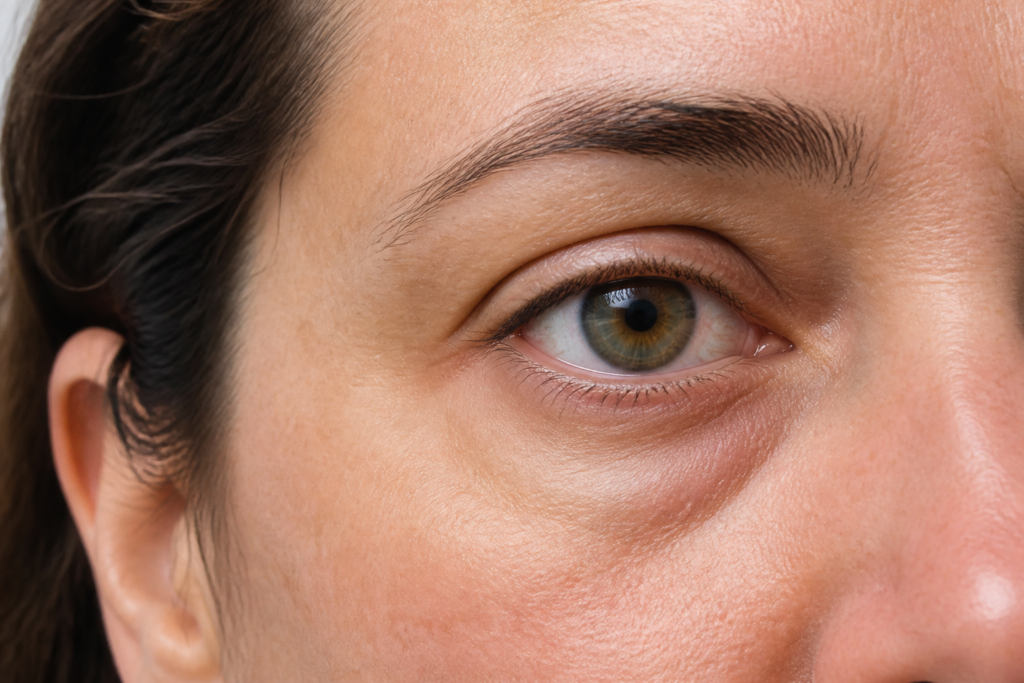
General patient information, not an individual treatment recommendation. Banner image is an AI generated illustration, not a patient or treatment result.
Consultation, suitability and safety
This article provides general information and does not replace an individual medical consultation. Suitability depends on your medical history, anatomy, skin condition, goals and the treatment being considered.
Risks and recovery: Injectable treatments may cause temporary redness, swelling, tenderness, bruising or asymmetry. Infection, allergic reaction, vascular complications and other serious effects are uncommon but require prompt assessment.
Aftercare: Follow the personalised instructions provided by your clinician. Contact the clinic promptly about severe, worsening or unexpected symptoms, and seek urgent medical help when appropriate.
Sources and further reading
London Finsbury Clinic
104 Judd Street, London WC1H 8BU
07770 741928 · londonfinsburyclinic@gmail.com · WhatsApp