Suitability, combinations & care
Masseter slimming & teeth-grinding FAQs
Focused answers to help you prepare for a personal consultation.
What is the masseter muscle, and why can it make the jaw look wider?
The masseter is one of the main chewing muscles, running along the side of the jaw. Genetics, habitual clenching and muscle use can contribute to its size. A prominent masseter can add width near the jaw angle, but bone structure, fat distribution and skin support also affect lower-face shape. Your assessment separates these features.
How do you tell whether jaw width comes from muscle, fat or bone?
Dr. Eroglu examines your face at rest and while you clench gently, checking muscle bulk, symmetry, cheek fullness, jaw structure and skin recoil. Muscle-directed care changes muscle activity; ultrasound and collagen treatments have different roles. We recommend the approach that matches the main contributor rather than treating every wide jaw in the same way.
Is masseter slimming suitable for everyone?
No. Suitability depends on the source of jaw width, chewing function and the support of the whole lower face. Where there is substantial lower-cheek fullness, limited support in the preauricular and gonial regions or reduced skin elasticity, muscle reduction may make existing pre-jowls or laxity more apparent. We may recommend skin-quality care first, a gradual combination plan or no masseter treatment. A clinician examines these features in person; an online questionnaire cannot confirm suitability.
Can treatment be discussed for teeth grinding, jaw clenching or bruxism?
Yes. You can seek help for waking jaw pain, stress-related clenching, tired chewing muscles, sensitivity or tooth damage even if you have no cosmetic goal. Persistent grinding can wear or crack teeth and damage fillings. We assess symptoms alongside your medical and dental history and discuss appropriate dental protection, habit management and whether muscle-directed treatment has a role. Gum pain or recession needs dental assessment; symptoms alone do not confirm suitability for injections.
When do you consider masseter slimming with jawline lifting?
Where buccal-area fullness or reduced support could make existing pre-jowls more noticeable as the masseter reduces, we assess whether upper platysma pull also contributes. If it does, jawline lifting may complement a measured masseter plan by reducing downward muscle pull. Our aim is to protect lower-face balance through suitable planning, rather than treat muscle width in isolation.
Why do cheek fullness, preauricular and gonial support and pre-jowls matter?
The masseter contributes to the contour and underlying bulk at the back of the lower face. If muscle size reduces beneath heavier cheek tissue or less elastic skin, existing looseness can become more noticeable. We assess buccal-area fullness, support in the preauricular and gonial regions and skin recoil before deciding whether to proceed. Protecting facial balance matters alongside any wish to reduce muscle width.
When might Ultraformer MPT lower-face treatment complement the plan?
We may consider Ultraformer MPT where buccal-area fullness, unwanted fat beneath the jawline and reduced firmness contribute to tissue heaviness. Suitable focused-ultrasound contouring may address selected superficial fat alongside tightening and collagen remodelling. We assess the tissue layer and preserve useful volume; this is different from routinely targeting the deep buccal fat pad. The aim is a firmer, less heavy-looking lower face when planning muscle reduction.
Does Ultraformer MPT mean removing buccal fat?
No. The lower cheek contains several tissue layers, and the deep buccal fat pad is different from superficial fullness. We assess the area carefully and preserve useful facial volume. Any discussion of contouring is specific to the tissue and device settings suitable for your face; fat reduction is not an automatic part of the plan.
Should Lenisna or skin-hydration treatment come before masseter slimming?
Where tissue quality, elasticity or support is reduced, we may recommend Lenisna (Juvelook Volume), a PDLLA collagen stimulator, through suitable areas of the lower face before reducing muscle size. The preauricular region, immediately in front of the ear, and gonial region, at the back corner of the jaw, are assessed with the surrounding tissues. The aim is to improve skin thickness and firmness and reduce the chance of existing laxity becoming more noticeable. Separate hydration care can address a skin-quality need, and we review the response before deciding on masseter treatment.
What happens at the appointment?
Your visit begins with a discussion of your goals, medical history, previous treatments and any grinding or bite concerns. Your doctor examines muscle activity and lower-face support, explains the suitable options, fees, aftercare and relevant side effects, and agrees a plan with you. Treatment proceeds only after suitability and informed consent are confirmed.
Is masseter treatment charged by the unit?
No. The listed masseter treatment fee is £399 for the agreed plan. The amount is selected for your muscle size, activity, anatomy and goals within a suitable clinical range. More product is not automatically better; preserving useful muscle function is part of the assessment.
What does the complimentary 14-day follow-up include?
The £399 masseter treatment includes a complimentary review at around 14 days to assess the early response, comfort, symmetry and muscle function. Any clinically appropriate touch-up at that review is included at no extra charge. Visible changes in muscle size can continue developing afterwards. The separate jawline-lifting option does not include this complimentary touch-up offer.
How quickly does the lower-face contour change?
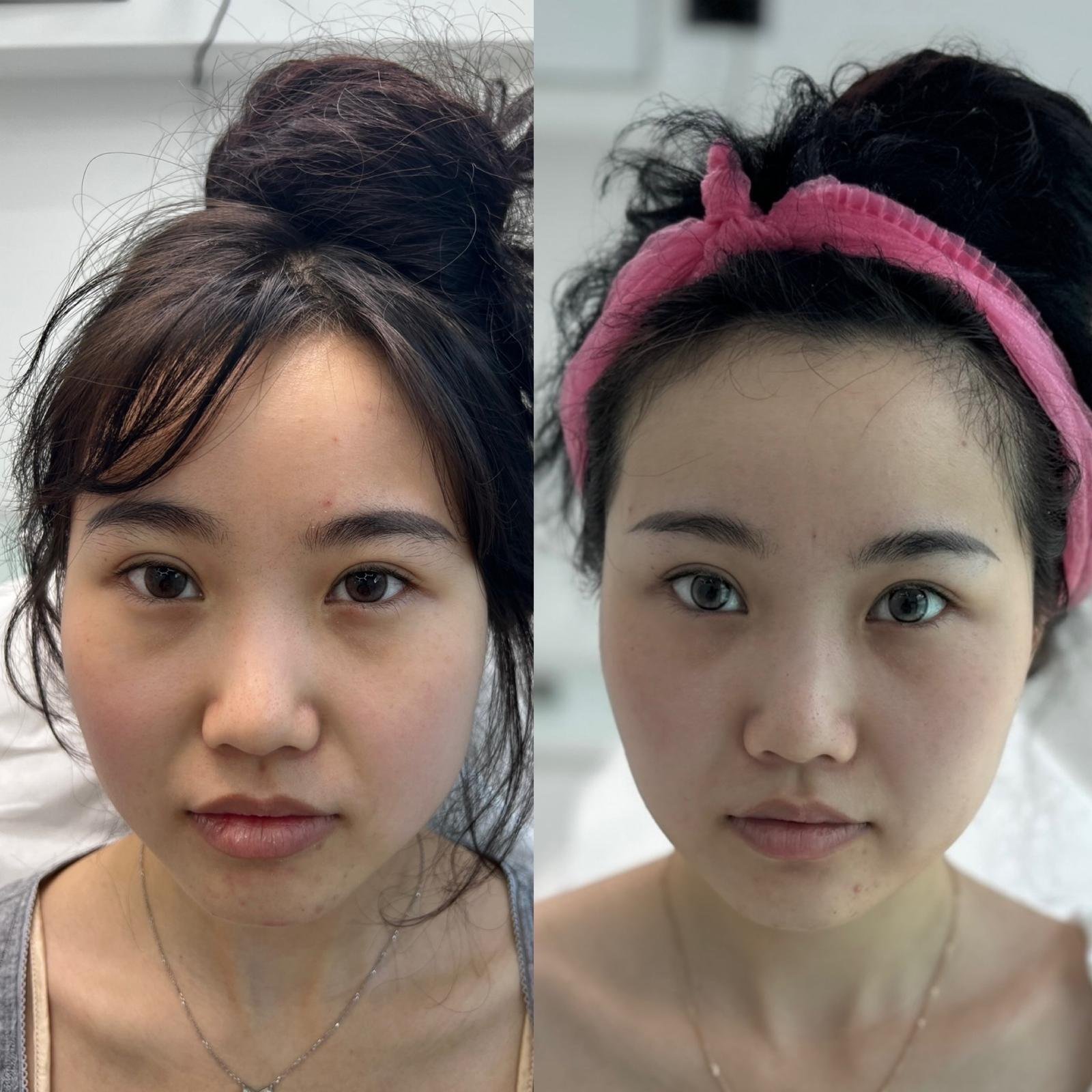
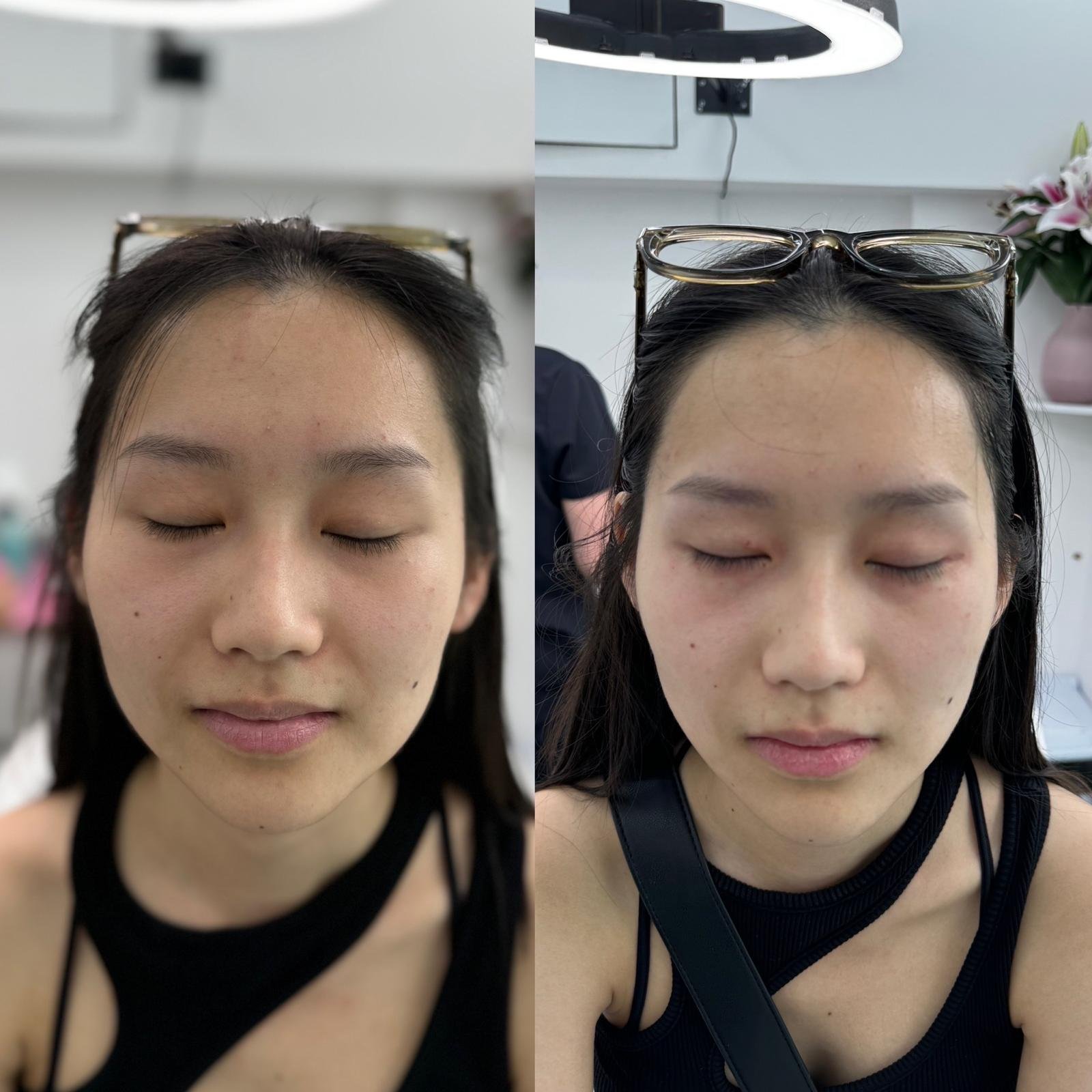
Muscle activity and visible contour change follow different timelines. An early response may be assessed around two weeks, while a change in muscle bulk usually develops over the following weeks. We discuss the expected course for your plan and allow time for the contour to settle before judging whether further treatment is appropriate.
How long does treatment last, and must I return every three months?
The response is temporary and commonly develops over a period of months, with duration influenced by the treatment, muscle activity and individual response. We do not automatically book three-month repeats. Our preference is the longest suitable interval, allowing muscle activity to return and reviewing your function and goals before repeating treatment.
What about aftercare, chewing and facial expression?
You receive written aftercare tailored to the agreed treatment. We explain temporary tenderness or bruising, possible changes in chewing strength, and how nearby muscles influence smile symmetry. Contact the clinic if you have concerns. A measured plan, appropriate placement and review help us balance facial contour with everyday function.
How much do the options cost, and can I start with a free consultation?
Yes. Your consultation is free. The listed options are masseter treatment £399, jawline lifting £250, Ultraformer MPT lower-face / half-face treatment £749 and focused Lenisna preauricular and gonial support from £499. They are separately priced options rather than a compulsory package. Your doctor confirms the coverage, sequence and full fee before you decide. Book a free masseter consultation.
Why do you focus on the lower part of the masseter?
Our clinic favours a carefully mapped lower portion of the masseter rather than treating high into the muscle as a routine approach. The borders are checked with movement and palpation, with facial landmarks including the mouth-corner-to-earlobe reference line considered as part of an individual assessment. This helps keep treatment focused on the intended chewing muscle while respecting nearby structures involved in facial expression.
Can masseter treatment affect my smile, and how do you reduce that risk?
Medicine spreading to neighbouring facial-expression muscles can temporarily change the smile. Placement too high, too far forward or too superficial can contribute, and anatomy varies between people. We assess the muscle boundaries, choose suitable placement and depth, and tailor the amount and delivery to your muscle. These precautions aim to minimise unwanted spread; no injection technique can make the risk zero.
What experience does the clinic bring to treatment planning?
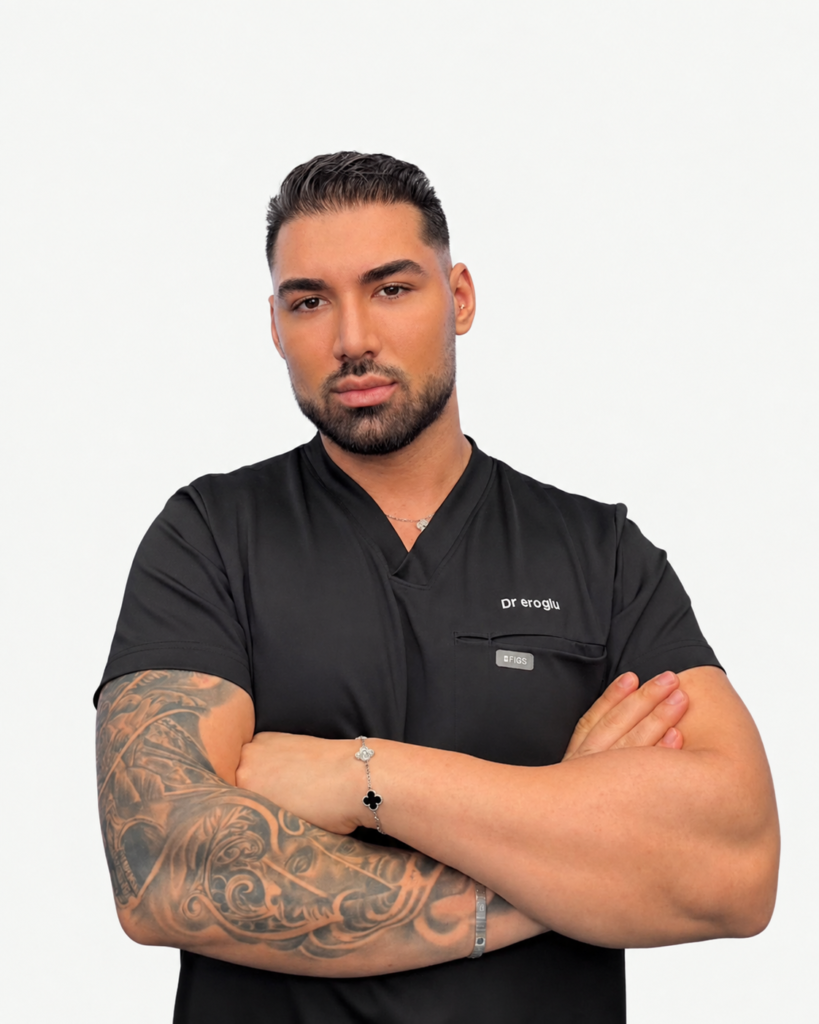
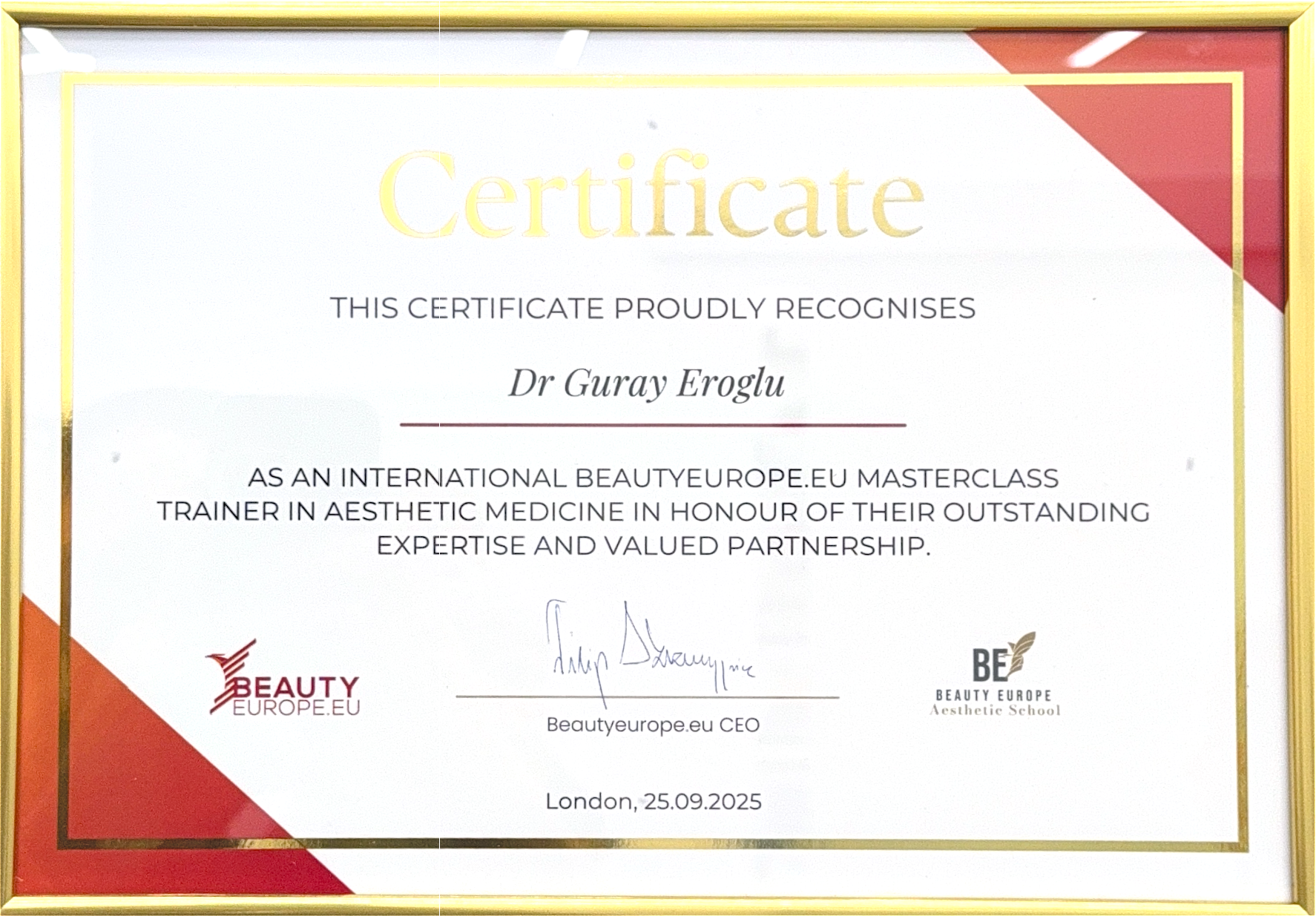
Dr. Eroglu combines clinical practice with four years as an advanced CPD trainer, teaching aesthetic techniques, anatomy and treatment planning to other practitioners. London Finsbury Clinic is also listed as a CPD training provider for anti-wrinkle education. His international trainer work includes Juvelook and Lenisna. We bring that teaching experience into an individual assessment, careful explanation and personal follow-up.
Can jaw pain or headaches mean I need masseter treatment?
Jaw tension and headaches can have several causes. Teeth grinding, jaw-joint problems, dental issues and migraine need to be distinguished rather than assuming they all come from the masseter. Dental review is important for tooth or gum concerns; persistent headaches or suspected migraine may need medical assessment. We consider comfort and function alongside facial appearance and explain when another professional should be involved.
Does treatment stop every teeth-grinding episode?
Not necessarily. Research suggests a muscle-directed treatment can reduce the intensity of masseter contractions without eliminating the generation of sleep-bruxism episodes. It does not replace dental assessment, protection of worn teeth or investigation of other causes of symptoms.

 Google
 Doctify